
Exploring the realm of Holistic lifestyle choices for long-term health, this introduction sets the stage for a journey towards optimal well-being. From nutrition to mindfulness, discover how embracing a holistic approach can pave the way for a healthier lifestyle.
Delve deeper into the key components and practices that play a vital role in enhancing overall health and wellness for the long run.
Benefits of Holistic Lifestyle Choices
Holistic lifestyle choices play a crucial role in promoting long-term health by addressing the physical, mental, emotional, and spiritual aspects of well-being. By taking a holistic approach, individuals can experience a wide range of benefits that contribute to overall health and wellness.
Physical Well-being
One of the key benefits of holistic lifestyle choices is the improvement of physical health. Practices such as regular exercise, balanced nutrition, and adequate rest can enhance strength, flexibility, and vitality. Additionally, holistic approaches like yoga and tai chi can promote relaxation, reduce stress, and improve overall physical function.
Mental and Emotional Health
Emphasizing mental and emotional well-being is another advantage of holistic lifestyle choices. Techniques such as meditation, mindfulness, and journaling can help manage stress, anxiety, and depression. By nurturing positive thought patterns and emotional resilience, individuals can enhance their mental clarity, emotional stability, and overall psychological health.
Social Connection and Support
Engaging in holistic practices that prioritize social connection and support can also benefit long-term health. Building strong relationships, participating in community activities, and seeking guidance from mentors or support groups can foster a sense of belonging, reduce feelings of isolation, and enhance overall well-being.
Importance of Balance
It is essential to maintain a balanced approach to health and wellness by integrating various holistic practices into daily life. By combining physical activity, healthy nutrition, mental relaxation, emotional expression, and social interaction, individuals can create a harmonious lifestyle that supports long-term health and vitality.
Components of a Holistic Lifestyle
Living a holistic lifestyle involves focusing on various key components that contribute to overall well-being. These components include nutrition, exercise, mindfulness, and stress management. Each plays a crucial role in promoting long-term health outcomes and enhancing quality of life.
Nutrition
Nutrition is the foundation of a holistic lifestyle as it directly impacts physical health, mental well-being, and overall vitality. A balanced diet rich in whole foods, fruits, vegetables, lean proteins, and healthy fats provides essential nutrients for optimal functioning of the body.
It is important to prioritize nutrient-dense foods and stay hydrated to support energy levels, immune function, and overall health.
Exercise
Regular physical activity is essential for maintaining a healthy weight, improving cardiovascular health, and enhancing mood. Incorporating a mix of aerobic exercise, strength training, and flexibility exercises into your routine can help boost metabolism, reduce the risk of chronic diseases, and promote overall well-being.
Finding activities that you enjoy can make exercise more sustainable and enjoyable in the long run.
Mindfulness
Practicing mindfulness involves being present in the moment, cultivating self-awareness, and managing stress effectively. Mindfulness techniques such as meditation, deep breathing exercises, and yoga can help reduce anxiety, enhance focus, and promote emotional well-being. Taking time to slow down, reflect, and connect with your inner self can lead to a greater sense of peace and balance.
Stress Management
Chronic stress can have detrimental effects on both physical and mental health. Implementing stress management strategies such as time management, relaxation techniques, and setting boundaries can help mitigate the negative impacts of stress on the body. Finding healthy coping mechanisms, engaging in hobbies, and prioritizing self-care are essential for maintaining emotional resilience and overall well-being.
Mind-Body Connection
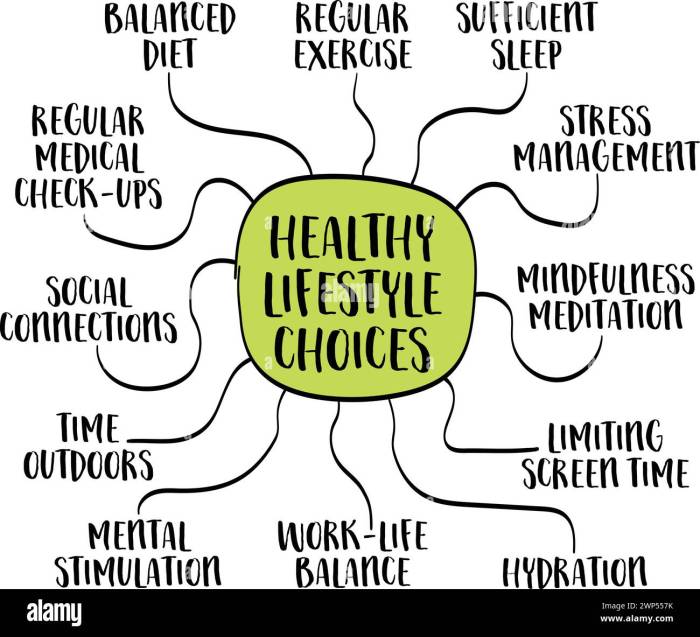
The mind-body connection is a crucial aspect of holistic living, emphasizing the relationship between mental health and physical well-being. When the mind and body are in harmony, individuals experience overall better health and vitality.
Practices to Strengthen Mind-Body Connection
- Meditation: By practicing meditation, individuals can calm the mind, reduce stress, and improve focus. This mental clarity can have a positive impact on physical health, promoting relaxation and overall well-being.
- Yoga: Yoga combines physical postures, breathing exercises, and meditation to enhance the mind-body connection. It helps individuals become more aware of their body and mind, leading to improved flexibility, strength, and emotional balance.
- Mindfulness: Mindfulness involves being fully present in the moment, without judgment. This practice can reduce anxiety, enhance self-awareness, and foster a deeper connection between the mind and body.
Real-Life Examples of Benefits
John, a busy executive, started practicing daily meditation and noticed a significant decrease in his stress levels. This newfound sense of calmness not only improved his mental focus but also had a positive impact on his physical health.
Sarah struggled with chronic pain until she incorporated yoga into her daily routine. Through regular practice, she not only strengthened her body but also found relief from her physical discomfort, leading to a more balanced and integrated mind-body connection.
Holistic Approaches to Nutrition
When it comes to holistic nutrition, focusing on whole foods, plant-based diets, and mindful eating is essential for overall well-being and long-term health benefits.
Importance of Whole Foods and Plant-Based Diets
Choosing whole foods over processed ones ensures that you are getting all the essential nutrients your body needs. Plant-based diets rich in fruits, vegetables, whole grains, and legumes provide a wide range of vitamins, minerals, and antioxidants that support your immune system and promote optimal health.
Tips for Meal Planning and Grocery Shopping
- Plan your meals ahead of time to ensure you are incorporating a variety of nutrient-dense foods.
- Make a grocery list based on your meal plan to avoid impulse purchases of unhealthy snacks.
- Shop the perimeter of the grocery store where fresh produce, lean proteins, and whole grains are typically located.
Preparing Nutritious Meals
- Opt for cooking methods like baking, grilling, or steaming instead of frying to reduce the intake of unhealthy fats.
- Experiment with herbs and spices to add flavor to your meals without relying on salt or sugar.
- Include a variety of colors on your plate to ensure you are getting a wide range of nutrients.
Impact of Food Choices on Well-Being
Food choices can significantly impact your overall well-being, affecting your energy levels, mood, and even cognitive function. By making healthier dietary choices, you can support your body's natural processes and enhance your quality of life.
Conclusion
In conclusion, the discussion on Holistic lifestyle choices for long-term health emphasizes the significance of a balanced and mindful approach to well-being. By incorporating holistic practices into daily routines, individuals can embark on a transformative journey towards a healthier and happier life.
Essential FAQs
How do holistic lifestyle choices impact long-term health?
Holistic lifestyle choices focus on addressing the root causes of health issues, leading to sustainable well-being in the long term.
What are some examples of holistic practices for overall well-being?
Examples include yoga, meditation, acupuncture, and herbal remedies, all aimed at promoting holistic health.
How does nutrition play a role in holistic living?
Nutrition forms a crucial component of holistic living, emphasizing whole foods, plant-based diets, and mindful eating for optimal health outcomes.


![[Video] Plant-based Prevention Of Disease, Inc. (P-POD Conference) on ...](https://health.mercusuar.web.id/wp-content/uploads/2025/10/BEGINNERS-GUIDE-LIFE-ON-PLANTS-1200-1200-720x720-1-120x86.jpg)