
Lifestyle changes to reduce high blood pressure set the foundation for a healthier future, emphasizing the power of simple yet impactful adjustments in daily routines. As we delve into the realm of managing high blood pressure through lifestyle modifications, a world of possibilities opens up to enhance well-being and vitality.
Exploring the dynamic interplay between diet, physical activity, and stress management, this discussion unveils a comprehensive guide to achieving optimal blood pressure levels naturally and sustainably.
Lifestyle Changes Overview
Managing high blood pressure is crucial for overall health and well-being. Lifestyle changes play a significant role in controlling and reducing high blood pressure, offering long-term benefits beyond just relying on medication.
Examples of Lifestyle Changes
- Incorporating regular exercise into your routine, such as brisk walking, jogging, or swimming, can help lower blood pressure.
- Following a healthy diet rich in fruits, vegetables, whole grains, and lean proteins while limiting sodium, saturated fats, and processed foods can have a positive impact on blood pressure levels.
- Reducing stress through relaxation techniques like yoga, meditation, or deep breathing exercises can help manage blood pressure effectively.
- Avoiding tobacco and limiting alcohol consumption can also contribute to lowering high blood pressure.
Benefits of Lifestyle Modifications
While medication can help control high blood pressure, lifestyle modifications offer additional advantages in managing the condition. By making sustainable lifestyle changes, individuals can reduce their dependence on medications, minimize potential side effects, and improve their overall quality of life.
Furthermore, adopting a healthy lifestyle can lead to other positive outcomes such as weight loss, improved cardiovascular health, and increased energy levels.
Diet and Nutrition
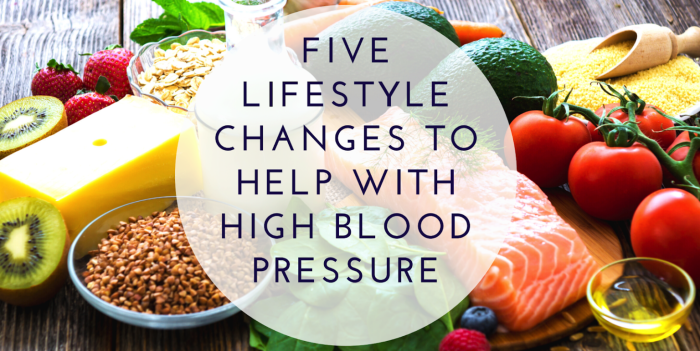
Adopting a healthy diet plays a crucial role in managing high blood pressure. By incorporating nutrient-rich foods and reducing harmful substances, individuals can make significant improvements in their blood pressure levels.
Foods Beneficial for Lowering Blood Pressure
A diet focused on lowering blood pressure should include foods that are known for their positive effects on heart health. Some examples include:
- Fruits and vegetables: Rich in vitamins, minerals, and antioxidants that support overall cardiovascular health.
- Whole grains: High in fiber and nutrients that promote heart health and can help lower blood pressure.
- Lean proteins: Such as fish, poultry, and legumes, which are sources of protein without the added unhealthy fats.
- Low-fat dairy products: Provide essential nutrients without the saturated fats that can contribute to high blood pressure.
Reducing Sodium Intake
One key aspect of managing high blood pressure through diet is reducing sodium intake. Excessive salt consumption can lead to fluid retention and increased blood pressure. By cutting back on salty foods and processed foods high in sodium, individuals can better regulate their blood pressure levels.
Physical Activity
Regular physical activity plays a crucial role in managing high blood pressure. It helps strengthen the heart, improve blood circulation, and reduce stress, all of which contribute to lowering blood pressure levels
Types of Exercises
- Cardiovascular exercises such as brisk walking, jogging, cycling, or swimming are effective in reducing high blood pressure.
- Strength training exercises using weights or resistance bands can also help in managing blood pressure.
- Yoga and Pilates can be beneficial for reducing stress and improving overall cardiovascular health.
Recommended Frequency and Duration
Experts recommend at least 150 minutes of moderate-intensity aerobic activity or 75 minutes of vigorous-intensity aerobic activity per week, along with muscle-strengthening activities on two or more days a week.
It is important to spread out physical activity throughout the week and engage in activities that you enjoy to maintain consistency.
Stress Management
Stress is a common factor that can contribute to high blood pressure. When we are stressed, our bodies release adrenaline and cortisol, which can temporarily increase blood pressure. Prolonged stress can lead to chronic high blood pressure, putting strain on the heart and blood vessels.
Techniques for Managing Stress
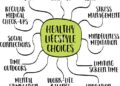
- Practice deep breathing exercises: Deep breathing can help calm the mind and reduce stress levels.
- Engage in regular physical activity: Exercise releases endorphins, which are natural stress relievers.
- Try meditation or mindfulness: These practices can help you focus on the present moment and reduce anxiety.
- Spend time in nature: Being outdoors and connecting with nature can have a calming effect on the mind and body.
- Seek social support: Talking to friends, family, or a therapist can help you manage stress better.
Importance of Relaxation Techniques
Relaxation techniques play a crucial role in lowering blood pressure levels. When we are relaxed, our bodies are able to release tension and reduce the impact of stress on our cardiovascular system. Incorporating relaxation techniques into your daily routine can help promote overall well-being and support healthy blood pressure levels.
Outcome Summary
In conclusion, embracing lifestyle changes to reduce high blood pressure not only fosters physical wellness but also cultivates a harmonious balance in mind, body, and soul. By incorporating these strategies into your daily life, you embark on a transformative journey towards a healthier and happier existence.
FAQs
Can lifestyle changes alone effectively manage high blood pressure?
Lifestyle changes play a crucial role in managing high blood pressure and can often lead to significant improvements when implemented consistently.
Are there specific foods that can help lower blood pressure?
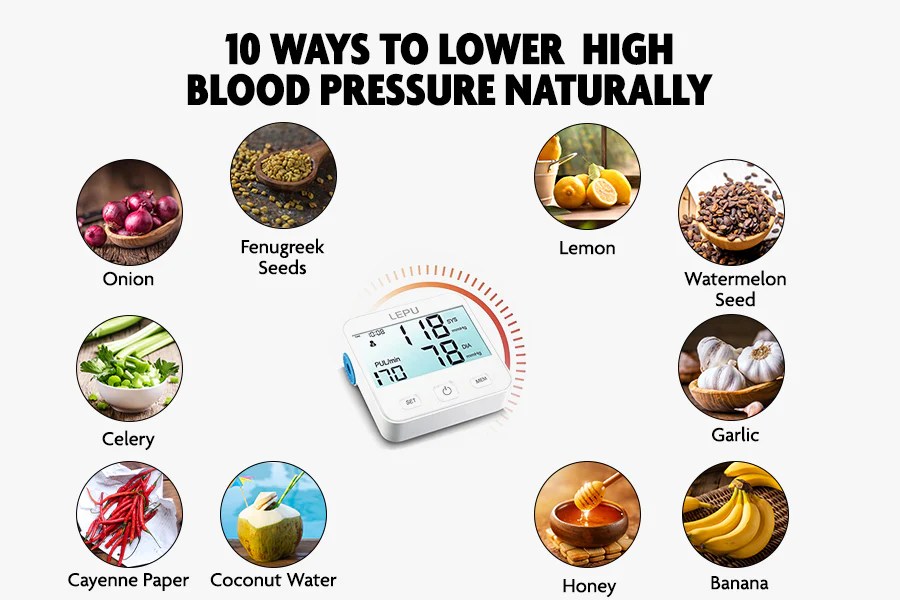
Foods rich in potassium, such as bananas and leafy greens, as well as those high in magnesium like nuts and seeds, are beneficial for lowering blood pressure.
How does stress impact blood pressure levels?
Stress can trigger temporary spikes in blood pressure and chronic stress can contribute to long-term hypertension if left unmanaged.
![[Video] Plant-based Prevention Of Disease, Inc. (P-POD Conference) on ...](https://health.mercusuar.web.id/wp-content/uploads/2025/10/BEGINNERS-GUIDE-LIFE-ON-PLANTS-1200-1200-720x720-1-75x75.jpg)

![[Video] Plant-based Prevention Of Disease, Inc. (P-POD Conference) on ...](https://health.mercusuar.web.id/wp-content/uploads/2025/10/BEGINNERS-GUIDE-LIFE-ON-PLANTS-1200-1200-720x720-1-120x86.jpg)