

Embark on a journey into the world of the Mediterranean lifestyle and discover the numerous heart health benefits it offers. From vibrant cultures to wholesome diets, this topic is sure to captivate your interest and shed light on the secrets of a healthy heart.
As we delve deeper, you will uncover the essence of Mediterranean living and how it plays a pivotal role in promoting cardiovascular wellness.
Overview of Mediterranean Lifestyle
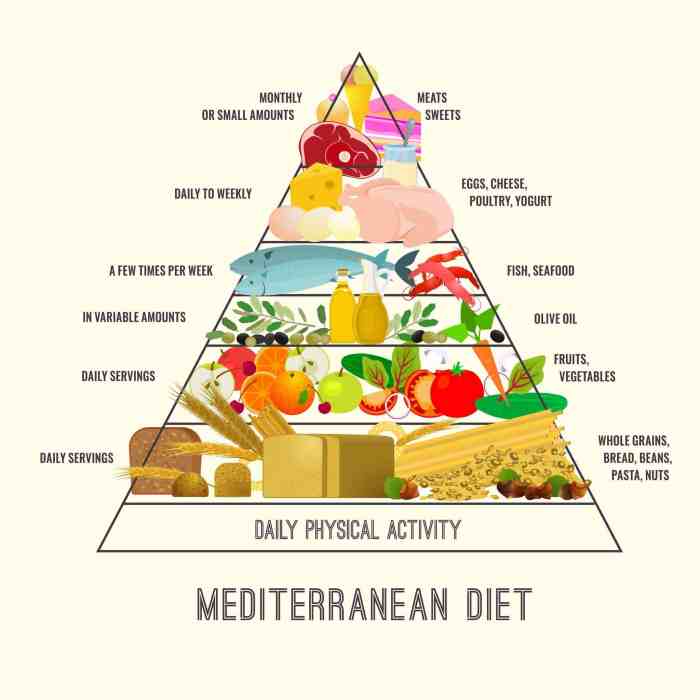
A Mediterranean lifestyle is characterized by a combination of healthy eating habits, physical activity, and strong social connections. One of the key components of this lifestyle is the Mediterranean diet, which consists of fresh fruits and vegetables, whole grains, olive oil, nuts, seeds, and lean proteins.
This diet is known for its heart-healthy benefits and is a staple in countries bordering the Mediterranean Sea.
Key Components of a Mediterranean Diet
The Mediterranean diet emphasizes the consumption of:
- Fruits and vegetables: Rich in vitamins, minerals, and antioxidants.
- Whole grains: Provides fiber and essential nutrients.
- Olive oil: A primary source of healthy fats, such as monounsaturated fats.
- Nuts and seeds: Good sources of protein, fiber, and healthy fats.
- Lean proteins: Including fish, poultry, and legumes.
Cultural Aspects Associated with the Mediterranean Lifestyle
The Mediterranean lifestyle also includes cultural practices such as:
- Regular physical activity: Engaging in activities like walking, swimming, or dancing.
- Social connections: Gathering with family and friends for meals and celebrations.
- Moderate wine consumption: Enjoying a glass of red wine in moderation with meals.
- Taking time to enjoy meals: Eating slowly and savoring the flavors of fresh ingredients.
Heart Health Benefits of Mediterranean Diet
The Mediterranean diet is renowned for its positive impact on heart health, with a focus on fresh and nutrient-rich foods that promote overall well-being.
Specific Foods for Heart Health
- Fruits and Vegetables: Rich in vitamins, minerals, and antioxidants, fruits and vegetables in the Mediterranean diet help reduce inflammation and lower the risk of heart disease.
- Whole Grains: Foods like whole wheat, barley, and oats provide fiber and essential nutrients that support heart health by regulating cholesterol levels.
- Nuts and Seeds: Almonds, walnuts, and flaxseeds are sources of healthy fats, fiber, and antioxidants that protect the heart and improve cardiovascular function.
Olive Oil and Heart Health
Olive oil is a staple in the Mediterranean diet and is known for its numerous heart-healthy benefits. Rich in monounsaturated fats and antioxidants, olive oil helps lower LDL cholesterol levels and reduce the risk of heart disease. Incorporating olive oil into cooking and salad dressings can significantly improve heart health.
Role of Fish in Reducing Heart Disease Risk
Fish, particularly fatty fish like salmon, mackerel, and sardines, are excellent sources of omega-3 fatty acids. These essential fats have anti-inflammatory properties, lower triglyceride levels, and help prevent the formation of blood clots, reducing the risk of heart disease. Including fish in your diet at least twice a week can have a significant positive impact on heart health.
Physical Activity in the Mediterranean Lifestyle
Regular physical activity is a key component of the Mediterranean lifestyle, alongside a healthy diet and social connections. Let's explore the typical physical activities in this region and how they contribute to heart health.
Types of Physical Activities
In Mediterranean countries, people often engage in activities such as walking, cycling, gardening, and dancing as part of their daily routine. These activities not only help individuals stay active but also provide opportunities for social interaction and stress relief.
Benefits for Heart Health
Regular physical activity plays a crucial role in maintaining heart health by improving circulation, reducing inflammation, and lowering blood pressure and cholesterol levels. It also helps in managing weight and reducing the risk of cardiovascular diseases.
Comparison with Other Regions
When comparing exercise routines in Mediterranean countries with other regions, one can see that the emphasis is more on incorporating physical activity into daily life rather than structured gym sessions. This approach promotes consistent movement throughout the day and encourages a more active lifestyle overall.
Stress Management and Social Connections
Stress management plays a crucial role in maintaining heart health, as chronic stress can have detrimental effects on the cardiovascular system. Additionally, fostering social connections and having a strong support system can provide emotional benefits that contribute to overall heart health.
Traditional Mediterranean Ways of Managing Stress and Fostering Social Connections
In the Mediterranean lifestyle, stress management often involves practices such as daily walks in nature, enjoying meals with loved ones, and engaging in leisurely activities like gardening or reading. These activities help individuals unwind, relax, and cope with daily stressors effectively.Social connections are highly valued in Mediterranean cultures, with a strong emphasis on family bonds and community support.
Regular gatherings with family and friends for meals or celebrations create a sense of belonging and provide emotional support during challenging times. This social network acts as a buffer against stress and promotes overall well-being.Overall, integrating stress-relieving activities and nurturing social connections into daily life is a key component of the Mediterranean lifestyle that contributes to better heart health and overall quality of life.
Last Recap
In conclusion, the Mediterranean lifestyle not only enriches lives with its unique traditions but also serves as a beacon of heart-healthy practices. By embracing this way of life, one can truly experience the holistic benefits it has to offer for overall well-being.
Detailed FAQs
What are the main components of a Mediterranean diet?
The Mediterranean diet primarily consists of fresh fruits, vegetables, whole grains, legumes, nuts, seeds, olive oil, and moderate amounts of fish and poultry.
How does olive oil positively impact heart health?
Olive oil is rich in monounsaturated fats and antioxidants, which help reduce inflammation and lower the risk of heart disease.
What are some traditional ways Mediterranean cultures manage stress?
Mediterranean cultures often engage in practices like siestas, social gatherings, and leisurely meals to alleviate stress and promote well-being.



![[Video] Plant-based Prevention Of Disease, Inc. (P-POD Conference) on ...](https://health.mercusuar.web.id/wp-content/uploads/2025/10/BEGINNERS-GUIDE-LIFE-ON-PLANTS-1200-1200-720x720-1-120x86.jpg)