

Exploring the connection between Minimalist lifestyle and mental clarity opens up a world of possibilities for improving overall well-being. As we delve into the principles of minimalism and how they impact our mental state, a journey of self-discovery and transformation unfolds.
Let's examine how decluttering physical spaces and adopting minimalist practices can pave the way for a more focused and peaceful mindset.
Minimalist Lifestyle Benefits
Living a minimalist lifestyle can significantly contribute to mental clarity. By simplifying our surroundings and reducing the number of physical possessions we have, we can create a sense of calm and focus in our minds.Decluttering physical spaces, such as our homes or work environments, can have a positive impact on our mental well-being.
When we remove excess items and organize our surroundings, it can lead to reduced feelings of overwhelm and anxiety. This can help us think more clearly and make decisions more easily.
Relationship Between Minimalism and Reduced Stress Levels
Embracing minimalism can lead to reduced stress levels. By prioritizing quality over quantity and letting go of unnecessary possessions, we can alleviate the burden of materialism and consumerism. This shift in mindset allows us to focus on what truly matters to us, leading to a more peaceful and stress-free life.
Principles of Minimalism
Minimalism is not just about decluttering physical possessions; it is a lifestyle that focuses on simplicity, intentionality, and mindfulness. By embracing the core principles of minimalism, individuals can achieve mental clarity and peace by reducing distractions and focusing on what truly matters.
Intentional Living
Intentional living is a key principle of minimalism that involves being conscious and deliberate in every aspect of life. This means making choices that align with your values and priorities, rather than simply following societal norms or expectations. By practicing intentional living, individuals can eliminate unnecessary stress and find greater fulfillment in their daily activities.
- Avoiding impulse purchases and only buying items that serve a purpose
- Setting clear goals and priorities to guide decision-making
- Creating a daily routine that promotes mindfulness and presence
Mindfulness
Mindfulness is another essential aspect of minimalism that involves being fully present in the moment and cultivating a deep awareness of one's thoughts, feelings, and surroundings. By practicing mindfulness, individuals can reduce anxiety and improve their overall well-being by focusing on the present rather than dwelling on the past or worrying about the future.
- Engaging in meditation or yoga to promote mental clarity and relaxation
- Taking time to appreciate the beauty of nature and simple pleasures in life
- Avoiding multitasking and instead focusing on one task at a time
Comparison with Traditional Lifestyles
Minimalism challenges the conventional idea that happiness and fulfillment come from material possessions and external achievements. In contrast, traditional lifestyles often prioritize consumerism, accumulation of wealth, and pursuit of status as markers of success. By embracing minimalism, individuals can break free from the cycle of consumerism and find contentment in simplicity and mindfulness.
- Traditional lifestyles may lead to stress, debt, and dissatisfaction due to constant pursuit of material wealth
- Minimalism promotes sustainable living and environmental consciousness by reducing waste and consumption
- Traditional lifestyles often prioritize external validation and social status, while minimalism focuses on internal values and personal growth
Decluttering the Mind
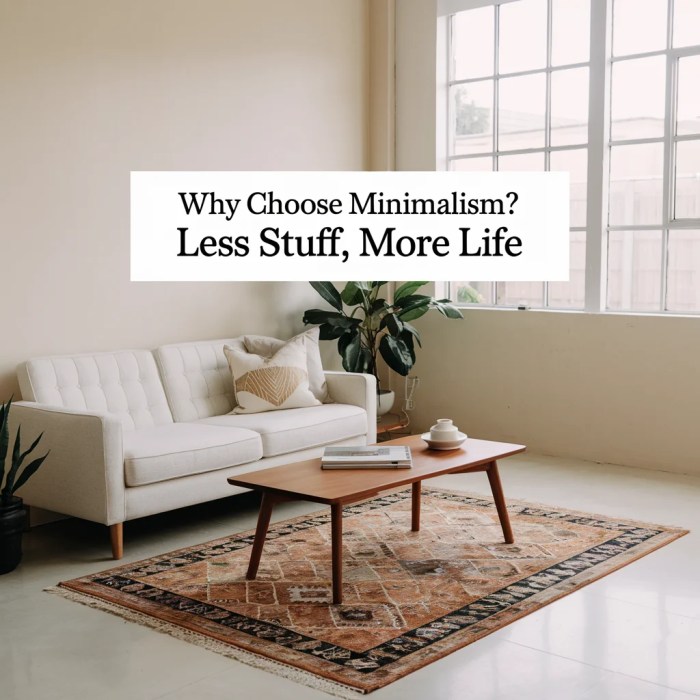
Decluttering the mind is essential for achieving mental clarity and peace. Just as physical clutter can overwhelm our living spaces, mental clutter can cloud our thoughts and emotions, making it challenging to focus and find inner peace.
Practice Mindfulness Daily
One effective technique for decluttering the mind is to practice mindfulness daily. Mindfulness involves being fully present in the moment, paying attention to your thoughts and feelings without judgment. This practice helps you become aware of negative thought patterns and distractions, allowing you to let them go and focus on the present.
Acknowledge and Release Negative Thoughts
It's important to acknowledge negative thoughts and emotions without getting attached to them. By practicing self-awareness, you can identify when negative thoughts arise and consciously choose to release them. This process helps you cultivate a more positive and peaceful mindset.
Limit Distractions and Simplify
To declutter your mind, it's crucial to limit distractions and simplify your surroundings. This can involve reducing screen time, decluttering your physical space, and creating a calming environment that promotes mental clarity. By simplifying your life, you can create space for peace and focus.
Minimalism and Emotional Well-being
Embracing minimalism can significantly improve emotional well-being by reducing stress, anxiety, and overwhelm. Simplifying life allows individuals to focus on what truly matters, leading to a sense of clarity and contentment.
Connection between Minimalism and Emotional Well-being
- Minimalism encourages intentional living, helping individuals prioritize their values and goals, leading to a sense of purpose and fulfillment.
- By decluttering physical spaces, one can also declutter the mind, reducing mental distractions and promoting mental clarity.
- Minimalism promotes mindfulness and being present in the moment, which can reduce feelings of anxiety and increase overall well-being.
Tips for Incorporating Minimalist Practices
- Start small by decluttering one area of your home at a time to avoid feeling overwhelmed.
- Practice gratitude daily to shift your focus towards what you have rather than what you lack.
- Avoid impulse purchases and focus on buying only what you truly need or brings you joy.
- Schedule regular digital detoxes to reduce screen time and increase real-life connections.
- Set boundaries with your time and energy by saying no to activities or relationships that do not align with your values.
Final Review

In conclusion, Minimalist lifestyle offers not just a way to declutter our physical surroundings but also our minds, leading to a profound sense of mental clarity and emotional balance. By embracing the essence of minimalism, we pave the way for a more intentional and fulfilling life.
Popular Questions
How can minimalism improve mental clarity?
Minimalism encourages simplifying your surroundings, which in turn reduces distractions and promotes focus, leading to enhanced mental clarity.
What are some practical tips for decluttering the mind?
Practicing mindfulness, journaling, and meditation are effective techniques for decluttering the mind and achieving mental clarity.
How does minimalism contribute to emotional well-being?
By embracing minimalism, individuals can experience a greater sense of contentment and peace, as simplifying life reduces stress and promotes emotional resilience.



![[Video] Plant-based Prevention Of Disease, Inc. (P-POD Conference) on ...](https://health.mercusuar.web.id/wp-content/uploads/2025/10/BEGINNERS-GUIDE-LIFE-ON-PLANTS-1200-1200-720x720-1-120x86.jpg)